

close
Choose Your Site
Global
Social Media


Views: 0 Author: Site Editor Publish Time: 2026-08-28 Origin: Site


Driving a truck without functioning air conditioning quickly turns from a mild annoyance into an unbearable ordeal. When summer heat strikes, you rely on a working climate control system. It helps you maintain focus and comfort behind the wheel. A sudden blast of hot air often signals a failure in the system.
Replacing a truck AC condenser involves much more than simply unbolting an old metal part. The process requires handling highly pressurized refrigerant. Mechanics must navigate strict environmental regulations. They also charge for specialized labor time. You cannot just swap the hardware and expect cold air to return instantly.
This guide bypasses confusing dealership jargon entirely. It provides a transparent look at real-world repair costs. We break down the expenses for parts, labor, and necessary compliance fees. You will learn how to evaluate mechanic quotes properly. This knowledge helps you decide on the most cost-effective route to restore your cooling system.
Total Expected Cost: The average replacement ranges from $450 to $1,200+, heavily dependent on truck make/model, labor rates, and refrigerant type (R-134a vs. the more expensive R-1234yf).
The "Hidden" Fee: You cannot legally or safely vent refrigerant yourself; professional evacuation and recharging add $100–$300 to the total bill, even if you DIY the physical part swap.
Mandatory Add-ons: A warranty-compliant repair almost always requires replacing the receiver/drier (or accumulator) alongside the AC condenser.
Diagnosis is Critical: Physical damage (e.g., rock strikes through the truck grille) requires a simple swap, but an internal clog usually indicates a catastrophic compressor failure, which drastically changes the repair scope.
Understanding your repair bill requires looking at three distinct categories. You pay for the physical hardware, the mechanic's time, and the chemical refrigerant. Each category carries its own pricing variables.
The physical unit represents a relatively small portion of the total bill. Expect to pay between $100 and $350 for the part itself. The final price depends entirely on your vehicle type. Light-duty trucks often use smaller, standardized parts.
For example, parts for a Ford F-150 or Chevy Silverado remain quite affordable. Manufacturers produce these parts in massive quantities. Heavy-duty trucks and commercial rigs tell a different story. They require heavy-duty cooling cores to handle extreme operational stress. These larger units push part costs toward the $350 mark.
Labor charges will consume a large chunk of your budget. Most repair shops bill between 1.5 and 3 hours for this job. At average hourly rates, expect labor to cost between $150 and $450. The exact time depends heavily on your vehicle's front-end design.
Mechanics must often remove the front grille completely. They may need to unbolt the radiator or move transmission coolers. Some modern trucks pack these components tightly together. Tightly packed engine bays demand more labor hours to safely extract the old unit. Complex active grille shutters also add extra removal time.
You cannot skip the evacuation and recharge process. Environmental Protection Agency (EPA) regulations mandate professional handling of AC gases. Shops use specialized recovery machines to pull out the old gas. They then pull a deep vacuum to remove internal moisture. Finally, they refill the system to exact factory specifications.
This mandatory compliance step costs between $100 and $300. The price fluctuates based on the specific gas your truck requires. Older trucks use R-134a, which remains relatively cheap. Newer trucks built after 2015 often require R-1234yf. This modern eco-friendly gas commands a massive premium over the older standard.
Estimated Cost Ranges by Truck Class
Truck Category | Estimated Part Cost | Estimated Labor (Hours) | Evacuation & Recharge | Total Estimated Range |
|---|---|---|---|---|
Light-Duty (Half-Ton) | $100 - $180 | 1.5 - 2.0 | $100 - $200 | $450 - $700 |
Heavy-Duty (3/4 & 1-Ton) | $180 - $280 | 2.0 - 2.5 | $150 - $250 | $650 - $950 |
Commercial / Box Trucks | $250 - $350+ | 2.5 - 3.0+ | $200 - $300 | $900 - $1,200+ |
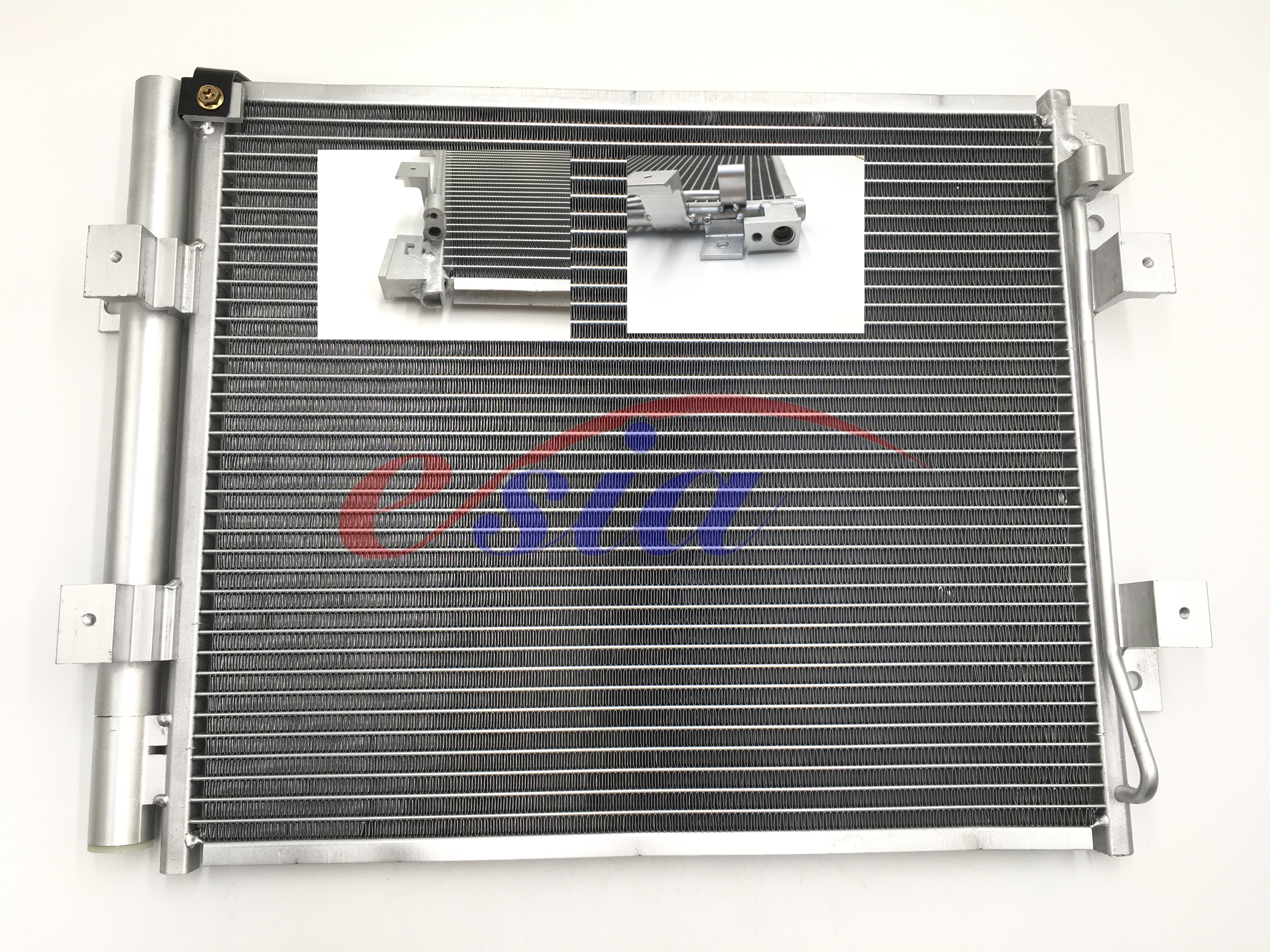
When selecting a replacement AC condenser, you face two primary categories. You can choose original factory parts or third-party aftermarket alternatives. Each path carries specific benefits and potential drawbacks.
OEM parts come directly from your truck's manufacturer. They represent the gold standard for repair quality. These units mirror the exact part installed on the assembly line.
Pros: They offer guaranteed physical fitment. You get reliable fin density for optimal heat dissipation. Mechanics face zero guesswork when aligning mounting brackets.
Cons: They carry a premium price tag. OEM units often cost two to three times more than aftermarket versions. Dealership markups heavily inflate this price.
Best for: Choose OEM if your truck remains under partial warranty. They also suit newer models where aftermarket options remain scarce.
Independent companies manufacture aftermarket parts. They design them to fit various vehicle applications. Many independent repair shops prefer these parts to save you money.
Pros: They prove highly cost-effective. Top-tier brands like Denso or TYC often manufacture the actual OEM parts anyway. You get factory quality without the branded box.
Cons: Quality inconsistency plagues the cheaper brands. Budget units often feature fewer cooling fins per inch. This slightly reduces their cooling capacity under heavy towing loads.
Evaluation Lens: You must verify the specific part details. Ensure the aftermarket unit explicitly matches your truck’s towing package specifications. Heavy towing packages often require a larger, thicker cooling core.
Replacing the main cooling unit rarely happens in isolation. A proper repair requires servicing several supplementary components. Ignoring these extra parts leads to rapid system failure.
You must replace the receiver/drier anytime you open the AC system. This small metal canister acts as a moisture filter. It contains desiccant beads designed to absorb stray water vapor. The atmosphere contains natural humidity.
Once you expose the internal lines to outside air, the desiccant saturates instantly. A saturated drier cannot protect your system from internal corrosion. Most manufacturers will void your warranty if you skip this step. The part itself usually costs under $50, making it cheap insurance.
AC systems rely on specialized rubber O-rings to seal every connection. These seals degrade over time and lose their elasticity. You must install brand new, lubricated O-rings during reassembly. Reusing old seals guarantees frustrating micro-leaks down the road.
Mechanics use specific PAG oil to lubricate these green seals. Additionally, a liquid system flush becomes necessary if contaminated oil exists. Old, dark oil indicates internal wear. Flushing cleans the lines before the new hardware goes in.
You must watch out for the dreaded "shrapnel effect." Sometimes, the front unit clogs because the compressor failed internally. A dying compressor sheds microscopic metal flakes into the refrigerant stream. These flakes travel directly into the micro-channels.
If you find metal debris inside the old unit, stop immediately. Your compressor is failing. Replacing only the front hardware will result in immediate re-failure. The new unit will simply catch the existing metal shards. A proper repair now requires replacing the compressor as well.
You must decide who will actually perform the physical labor. Your choice dictates the total cost and the legal compliance of the repair. Let us examine the three main pathways available to truck owners.
Taking your truck to the local dealer provides the highest certainty. Their mechanics train specifically on your exact truck model. They have direct access to factory service bulletins.
However, dealerships represent the highest possible cost. Their hourly labor rates easily exceed $200 in many cities. They also strictly use expensive OEM parts. Choose the dealer if you face complex integrated climate systems. They also make sense if your truck has active manufacturer recalls.
Independent shops offer the most pragmatic middle ground. Local mechanics bring immense practical experience to the table. They know how to source high-quality aftermarket parts effectively.
These shops maintain the expensive recovery machines needed for legal compliance. They typically charge much lower labor rates than dealerships. Building a relationship with an independent mechanic saves you significant money long-term. Just verify they carry current ASE certifications for climate control.
Many mechanically inclined owners want to save money. Pure DIY repairs remain illegal and dangerous due to pressurized gases. Venting refrigerant into the air violates federal environmental laws. However, a hybrid approach exists for experienced individuals.
Step One: Drive to a certified shop. Pay them a small fee to legally evacuate the old refrigerant.
Step Two: Drive home. The system is now empty and safe. Unbolt the grille, remove the old unit, and install the new parts yourself.
Step Three: Drive back to the shop. Pay them to pull a deep vacuum and recharge the system properly.
This hybrid method saves you expensive mechanical labor hours. It still ensures strict legal and environmental compliance. It works best for owners comfortable with front-end disassembly. If you hate turning wrenches, skip this route entirely.
Knowledge protects you from inflated repair bills. You should never accept the first quote blindly. Ask the service writer for a fully itemized breakdown. You need to scrutinize specific line items carefully.
Pay close attention to the gas pricing. Ensure the shop charges accurately for the specific chemical used. Older R-134a costs significantly less than modern R-1234yf. Some less honest shops might charge premium R-1234yf prices for the cheaper R-134a gas. Verify your truck's requirement by checking the sticker under the hood.
The radiator and the front cooling unit often share mounting brackets. Mechanics must remove the same plastic trim pieces to access either part. Ensure the shop uses standard book times like Mitchell or AllData.
They should not pad the hours artificially. If you choose to replace the radiator simultaneously, the labor should overlap. You should not pay the full removal fee twice. Ask the mechanic to explain any overlapping labor discounts.
A trustworthy quote always includes clear warranty language. It should state at least a 12-month or 12,000-mile guarantee. This warranty must cover both the parts and the physical labor. Reputable shops stand behind their mechanical work.
However, read the fine print carefully. The shop will likely make this warranty contingent on specific conditions. They will demand you replace the receiver/drier alongside the main unit. They may also require an AC line flush. Accept these terms, as they represent standard industry best practices.
Replacing a truck climate control component stands as a mid-tier automotive repair. The physical hardware remains relatively cheap compared to major engine parts. However, specialized labor, mandatory compliance, and chemical costs add up quickly. Properly diagnosing the root cause prevents you from wasting money on incomplete fixes.
Your next steps involve gathering information. Get at least two itemized quotes from reputable independent repair shops. Prioritize quotes clearly separating the hardware, the receiver/drier, the labor, and the recharge service. Do not ignore the hidden fees or skip the receiver/drier replacement. Doing the job right the first time guarantees a cool, comfortable cabin for years.
A: Yes, it will not affect the truck's engine performance or drivability. The engine cooling system operates independently of the cabin climate control. However, you must keep the AC button turned off completely. Leaving it on causes the compressor to run dry. A dry compressor will quickly burn out, adding massive expenses to your future repair bill.
A: Typically 2 to 4 hours. This timeframe includes the entire professional process. Mechanics need time to safely evacuate the old gas. They then disassemble the front grille to swap the physical part. Finally, they pull a deep vacuum for 30 minutes and recharge the system. Complex truck grilles push the time closer to 4 hours.
A: Exceptionally high quotes usually mean one of three things. First, it might be a dealership using strictly expensive OEM parts. Second, your truck might require the highly expensive R-1234yf refrigerant. Third, the shop might be preemptively quoting a full compressor replacement alongside the front unit. Always ask for an itemized breakdown to spot the exact cost driver.
A: No. The high pressure of the AC system makes patching impossible. The high side often exceeds 250 PSI on a hot summer day. Welding thin aluminum micro-channels proves highly unreliable and physically unsafe. The patch will inevitably blow out under normal operating pressures. Complete replacement remains the only industry-standard, safe solution.


