

close
Choose Your Site
Global
Social Media


Views: 0 Author: Site Editor Publish Time: 2026-07-15 Origin: Site


You rely heavily on your vehicle's air conditioning system during extreme temperatures. Suddenly, the cabin cooling vanishes without warning. You might also hear a distinct mechanical rattling noise under the hood. This frustrating scenario often isolates back to a single, critical engagement point. This vital component acts as the ultimate gatekeeper. It directly bridges your engine’s constant rotational power and the internal refrigerant cycle. Without proper engagement, the compressor simply cannot pressurize the system.
We must move beyond basic mechanics to practical evaluation. Understanding the electromagnetic engagement process remains essential today. It allows you to accurately diagnose complex failures quickly. It actively prevents unnecessary full-compressor replacements. Furthermore, it helps you source reliable replacement parts, ensuring long-term climate control performance. A failing system demands immediate attention to prevent secondary drive belt damage. Understanding these dynamics empowers you to make highly informed repair decisions.
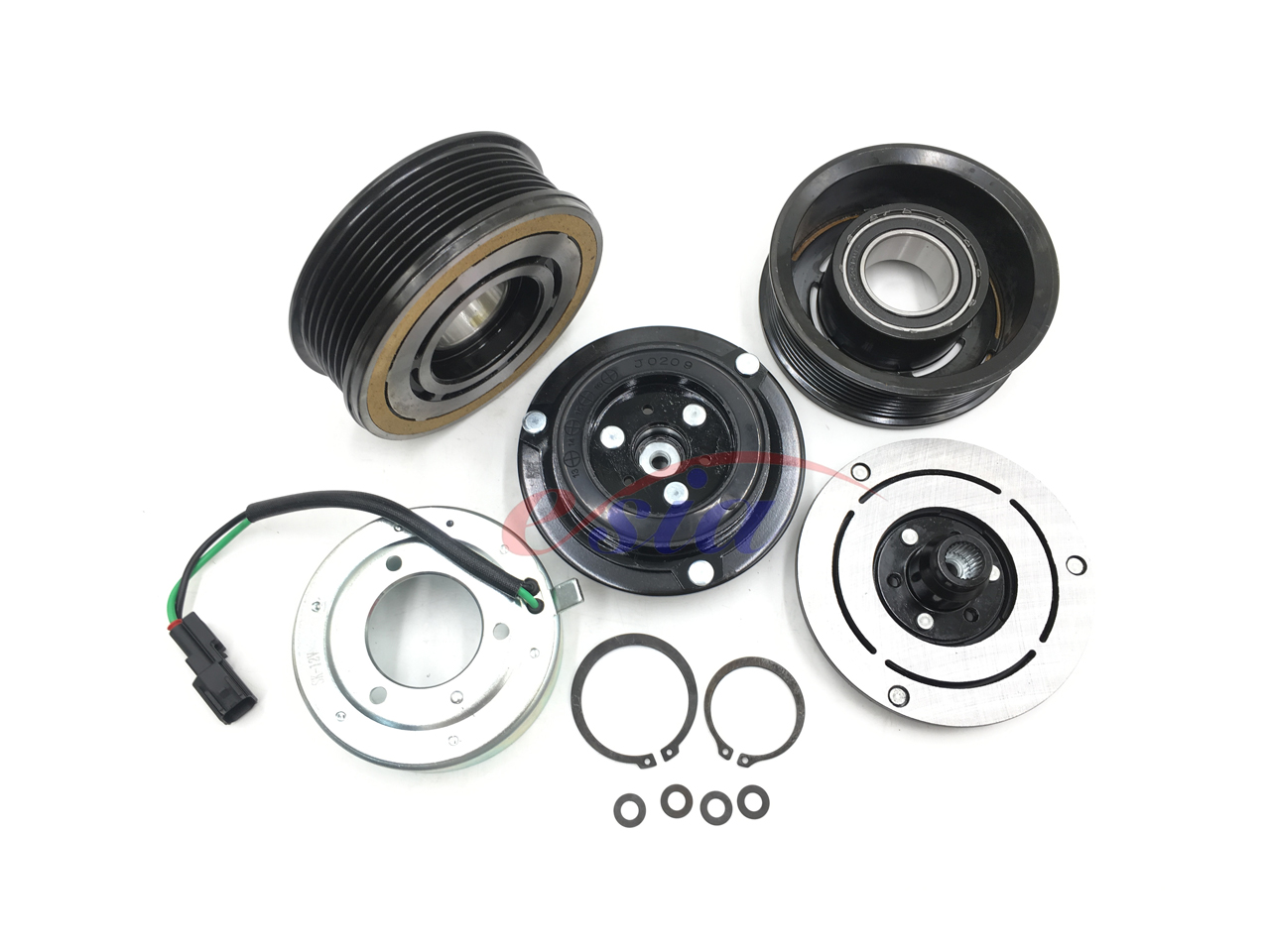
The magnetic clutch operates via an electromagnetic field that pulls an armature plate against a spinning pulley, instantly engaging the compressor shaft.
System failures are rarely ambiguous; they typically present as measurable electrical faults (burnt coils), mechanical wear (failed bearings), or physical friction degradation.
Replacing an automotive air conditioning clutch independently can save significant costs compared to replacing the entire compressor assembly, provided the compressor internals remain uncompromised.
Sourcing a magnetic clutch for compressor units requires evaluating thermal resistance, coil winding density, and bearing load capacity to ensure long-term reliability.
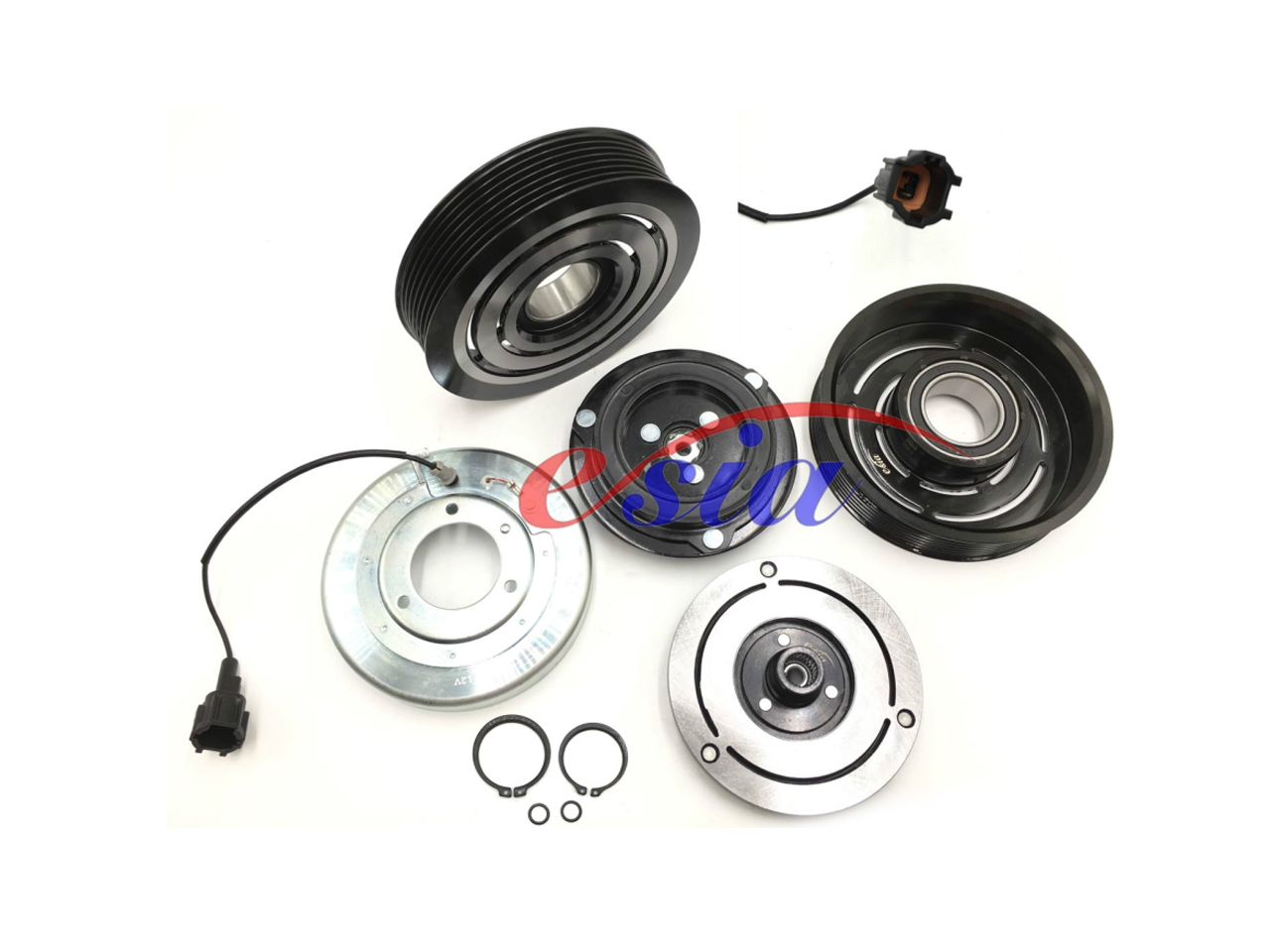
The system relies on highly precise engineering. Every individual piece must function seamlessly. We can break this mechanical mechanism down into three main physical parts. We must also understand the exact sequence uniting them.
This stationary ring contains densely wound copper wire. Applying 12V electrical power generates a strong magnetic field immediately. This component does not spin. Instead, it mounts firmly to the front of the compressor body. Thermal stress heavily impacts coil longevity over time. Engine heat eventually degrades the internal copper wire insulation. This degradation leads to internal shorts and weakened magnetic pull.
The pulley continuously spins whenever your engine runs. The engine's main serpentine belt drives this rotation directly. A heavy-duty double-row bearing supports this constant, high-speed movement. This specific bearing faces immense lateral tension. It must handle the tight serpentine belt while resisting severe under-hood temperatures. When you disengage the AC, the pulley simply free-spins on this bearing.
This component represents the primary friction surface. It connects securely directly to the internal compressor shaft. It sits just millimeters away from the spinning pulley face. Flat leaf springs attach the outer friction plate to the inner hub hub. These springs allow the plate to flex inward during engagement. They also pull the plate back outward when power drops.
This sequence happens in mere milliseconds. A reliable Magnetic Clutch executes these steps flawlessly thousands of times per month. Here is the exact mechanical breakdown:
The cabin relay sends 12V power directly to the stator coil.
The resulting electromagnetic field crosses the engineered air gap.
The magnetic force yanks the armature plate firmly against the spinning pulley surface.
Friction locks the two metal plates together tightly.
Torque transfers instantly to the compressor shaft, initiating the refrigerant cycle.
Accurate diagnosis prevents a common industry trap. Technicians sometimes over-prescribe full compressor replacements for highly localized issues. You must isolate the specific failure mode first. Identifying the exact breakdown point saves significant labor time. It also prevents the unnecessary opening of a sealed refrigerant system.
The electromagnetic coil often degrades before mechanical parts fail. Open circuits stop electrical power flow entirely. Short circuits routinely blow protective system fuses. Thermal degradation causes the coil to lose its overall magnetic strength. A weak coil cannot pull the heavy armature plate across the gap. You should perform a resistance test using a digital multimeter. Healthy coils typically show a specific ohm reading based on factory specifications. Readings outside this range confirm terminal coil failure.
The pulley bearing spins constantly during engine operation. You might hear continuous grinding or whining noises. This distinct noise happens even when you turn the AC off completely. A failing bearing generates extreme friction. If ignored, a seized bearing will inevitably snap the serpentine belt. This belt failure disables your alternator and water pump instantly.
Excessive heat causes severe damage to the mating surfaces. Improper air gaps or oil contamination make the friction plates slip constantly. This continuous slippage generates massive amounts of localized heat. You might notice blue discoloration on the metal plates. Eventually, this leads to intermittent cooling inside the cabin. The system might work initially but disengage once engine temperatures rise.
Symptom | Primary Suspect | Diagnostic Action |
|---|---|---|
No engagement, AC light on | Stator Coil | Measure resistance (Ohms) at connector. Verify 12V supply. |
Continuous grinding noise (AC off) | Pulley Bearing | Remove belt. Spin pulley manually to check for roughness. |
Intermittent cooling, visual metal bluing | Friction Plate/Air Gap | Measure air gap clearance using precision feeler gauges. |
Red rust-like dust around assembly | Bearing Seal/Friction Hub | Inspect for metal-on-metal degradation. Plan replacement. |
You face a critical decision during system repair. Do you fix the isolated external component? Or do you replace the full unit entirely? Comparing these solutions requires careful evaluation of internal mechanics. Choosing component repair avoids touching the sealed refrigerant loop. This eliminates the need for expensive evacuation and recharge procedures.
Targeted component replacement makes sense under specific conditions. You should isolate the repair if the following factors align perfectly:
The central compressor shaft turns smoothly by hand, indicating zero internal seizing.
The system currently holds a full refrigerant vacuum and charge, proving no shaft seal leaks exist.
The failure remains strictly electrical within the stator coil.
The issue isolates exclusively to external mechanical wear on the main pulley bearing.
The existing car AC compressor clutch shows clear visual wear while the main body looks pristine.
Sometimes, component repair wastes valuable time. Systemic failures demand complete replacement. You must replace the entire assembly under these specific scenarios:
You discover fine metal debris inside the system, signaling catastrophic internal compressor failure.
Severe shaft seal leaks exist directly behind the engagement plate, leaving heavy oil residue.
The internal pistons or swashplate exhibit mechanical locking, making the shaft impossible to turn manually.
The labor time required to rebuild external parts exceeds the unit cost of a pre-assembled compressor. Some modern engine bays tightly pack components, making on-vehicle rebuilding impossible.
Finding the correct replacement part ensures long-term longevity. You must evaluate several key dimensions before attempting installation. Sourcing a high-quality magnetic clutch for compressor units prevents premature secondary failures. Not all aftermarket components meet strict engineering standards.
Look specifically for OEM-grade copper density. This guarantees sufficient magnetic pull during operation. High under-hood temperatures weaken inferior electromagnets quickly. Dense copper windings resist thermal breakdown effectively. The internal insulation varnish must withstand extreme heat cycles without cracking or melting.
Prioritize sealed, high-temperature bearings for your replacement. Load-rated options perform best under constant tension. Look for recognized ABEC ratings when evaluating specifications. Avoid unbranded alternatives completely. They often fail rapidly under tight serpentine belt tension. High-quality bearings keep the pulley spinning smoothly for years.
Assess the overall wear resistance of the armature plate. It needs to provide smooth, consistent engagement. Harsh metal-to-metal slamming damages the delicate compressor shaft over time. Premium plates use engineered friction materials. These materials grab securely without causing violent mechanical shocks.
Strict OEM cross-referencing remains absolutely necessary here. You must perfectly match the existing pulley grooves. A six-groove belt requires a six-groove pulley. Furthermore, the overall diameter and coil voltage must align precisely. Incorrect voltage prevents sufficient magnetic engagement. Incorrect diameters change the rotational speed of the compressor entirely.
Avoid aftermarket parts missing crucial technical data. Reputable manufacturers must transparently list thermal tolerances. They should also state their internal bearing origins clearly. If a supplier hides these specific details, you should seek alternatives immediately.
Even perfect replacement parts fail if installed poorly. Proper installation requires patience and strict adherence to procedures. Rushing the assembly process guarantees premature failure. You must secure a reliable automotive air conditioning clutch and install it meticulously.
This represents the most critical point of failure during installation. You must use precise metal feeler gauges. The gap typically measures strictly between 0.35mm and 0.60mm. It must remain tight enough for strong magnetic engagement. Simultaneously, it must stay loose enough to prevent friction dragging when disengaged. A gap too wide prevents the magnet from pulling the plate. A gap too tight causes constant metal rubbing.
Mechanics use tiny metal washers called shims to control the gap. You add or remove these shims behind the armature plate carefully. This requires a dedicated trial-and-error process. You might install the plate, measure the gap, and realize it sits too tightly. You must then remove the plate and add a shim. This achieves the precise tolerance required for reliable operation.
You should cycle the engagement manually after completing the installation. Turn the system on for three seconds, then off for three seconds. Repeat this process roughly thirty times. This process mates the new friction surfaces properly. Skipping this step glazes the metal instantly. Glazed metal causes severe future slippage and excessive heat generation.
Always secure proper specialized tools first. You need a dedicated spanner wrench to hold the hub stationary. You also need a proper puller kit to remove the old pulley safely. Prying parts off damages the aluminum compressor housing easily. Cross-reference your factory service manual thoroughly. Verify exact torque specifications for the center bolt before purchasing any replacement parts.
The electromagnetic assembly remains mechanically simple but highly stressed. It strictly dictates your entire HVAC system's core functionality. A failure here shuts down cabin comfort immediately. However, recognizing the symptoms early prevents catastrophic belt damage.
We strongly advise following a strict diagnostic process. Test the stator coil thoroughly using a multimeter. Inspect the pulley bearing for lateral play or grinding noises. Measure the plate air gap carefully with feeler gauges. Always perform these steps before authorizing an entire AC system overhaul. Replacing isolated components often solves the issue efficiently.
Evaluate your current mechanical symptoms against these diagnostic criteria today. Check for red dust, blue metal, or abnormal noises. Consult a certified automotive technician for a targeted component test if you lack diagnostic tools. Proper diagnosis saves significant time, prevents unnecessary waste, and restores optimal cabin temperatures swiftly.
A: Yes, if you face an electrical failure. The coil simply won't engage, leaving you without cold air. However, you cannot drive safely if the pulley bearing is failing. A seized bearing will quickly snap the engine's serpentine belt, disabling the alternator and water pump.
A: You should use a digital multimeter directly at the electrical connector. Disconnect the plug and probe the terminals. You must verify a steady 12V voltage reading when the cabin AC switch is engaged and the engine is running.
A: Rapid clicking often indicates low system refrigerant. The low-pressure safety switch constantly cuts and restores power to prevent compressor damage. Alternatively, an excessively wide air gap can cause the magnetic field to intermittently drop the armature plate.
A: You can bypass system relays to jump 12V power directly to the coil for diagnostic purposes only. However, do not force mechanical engagement physically while the engine is running. Doing so risks severe personal injury or catastrophic system damage.


